
Aetna
A CVS Health company, Aetna is a leading American health care insurance provider.
In Network
A CVS Health company, Aetna is a leading American health care insurance provider.

Our team can help you check your benefits and understand your home medical equipment coverage.
Our team can help you check your benefits and understand your home medical equipment coverage.

We are in-network with all Cigna plans, providing seamless coverage across their full range of offerings.
Cigna Medicare Advantage combines hospital, medical, and prescription drug coverage in a single, coordinated plan.

Devoted Health offers Medicare Advantage plans in Colorado that combine medical, hospital, and often prescription drug coverage.

Contact our team for help checking your benefits and home medical equipment coverage through EviCore.

Fenyx Health offers Medicare Advantage Medical Savings Account plans, helping members manage their health care dollars.

Medicare Advantage plans that pair a high-deductible medical plan with a Medicare-funded savings account.

HealthSpring Medicare Advantage plans from HCSC offer comprehensive, coordinated coverage and care.

A national provider network connecting patients to home health equipment and specialty services through coordinated care.

A federal health insurance program for eligible seniors and certain individuals with disabilities, helping ensure access to covered care and services.

Our team can help you check your benefits and understand your home medical equipment coverage.

We are in-network with Motiv Health plans, including HSA-based coverage designed to lower costs and help members manage their health care expenses.

MTI America provides integrated health care solutions and support services for workers’ compensation patients.

We are in-network with Optum Colorado, providing access through an integrated care network for commercial and Medicare Advantage plans.

Prime Health Services is a national PPO network connecting members to providers across workers’ compensation, group health, and specialty programs.

A specialized Medicare program for railroad retirees and their families, administered by Palmetto GBA.

We are in-network with Select Health Colorado, offering access to individual, family, and Medicare Advantage plans.

We are in-network with Simplified Benefits Administrators, supporting self-funded employer health plans with flexible benefits and provider access.
Our team can help you check your benefits and understand your home medical equipment coverage.
Durable Medical Equipment, or DME, covers the hospital beds, wheelchairs, oxygen equipment, and lift chairs that help patients manage long-term health needs at home. To qualify as DME, an item generally has to hold up to repeated use, serve a specific medical purpose, and have an expected lifespan of three years or more. Insurance companies, including Medicare, look closely at how a piece of equipment is used and whether it’s genuinely needed before deciding what they’ll pay for.
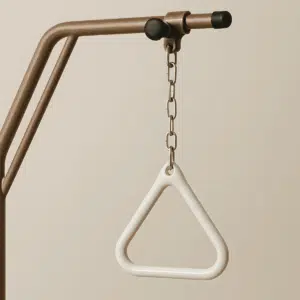
A hospital bed is a good example. A standard bed frame won’t qualify, but one with a variable height feature or a trapeze bar might, since this equipment supports body positioning and safer transfers for patients who can’t manage a regular bed. If you’re weighing whether to rent or buy a hospital bed for home, insurance coverage is often the deciding factor, so it’s worth understanding the rules before you choose. If you’d rather talk it through in person, stop by any of our medical supply stores in Colorado and our team can pull up your plan and walk you through it.
Medicare does cover many DME items when specific conditions are met, but not everything qualifies automatically. Lift chairs are a good example of where coverage gets more particular, since Medicare typically pays only for the motorized lifting mechanism inside the chair, not the frame or upholstery. Knowing where these lines fall ahead of time can save you a surprise bill later, which is why we’ve broken down the details for each equipment type below.
Coverage looks different depending on which type of insurance you carry. Original Medicare covers approved DME under Part B once your equipment and paperwork meet the requirements. Medicare Advantage plans have to offer at least the same DME benefits as Original Medicare, though some plans add extras worth asking about. Medicaid coverage depends on your state, so the rules and covered items can vary depending on where you live.
Part B specifically covers medically necessary equipment used in your home, which includes hospital beds, wheelchairs, and oxygen equipment. To qualify, you’ll need a prescription from your healthcare provider along with documentation explaining why the equipment is necessary. Private insurance plans sometimes offer more flexibility than Medicare or Medicaid, though the specifics depend entirely on your policy. Call us and we’ll check whether your plan is in our network.
Because every policy works a little differently, it’s worth calling your insurance carrier or a DME supplier directly to ask about rental costs and approved amounts before you commit to equipment. A quick phone call now can prevent an unexpected bill later.
Medical necessity is the term insurance companies use most often when deciding what they’ll cover, and it simply means the equipment has to be needed for your health, not just convenient. For a hospital bed, that might mean documenting that you need to adjust positioning throughout the day. For a wheelchair, it might mean showing that you can’t safely get around your home without one.
Your doctor’s prescription backs up that claim. Good documentation spells out your condition, explains why a standard bed, chair, or mobility aid won’t work, and recommends the specific equipment you need. Skipping this step, or turning in incomplete paperwork, is one of the most common reasons insurance claims get denied.
Our team has walked hundreds of Front Range families through this exact process, and we’re glad to help make sure your paperwork is filled out correctly before it’s submitted.

Medicare Part B treats hospital beds as a capped rental item, meaning you’ll rent the bed for up to 13 months before ownership transfers to you. Coverage requires a doctor’s prescription explaining why your condition calls for features like variable height, head or foot elevation, or a trapeze bar rather than an ordinary bed. Once your doctor documents the medical need, Original Medicare and Medicare Advantage plans typically cover 80% of the approved rental cost after your deductible, with you responsible for the remaining 20%.
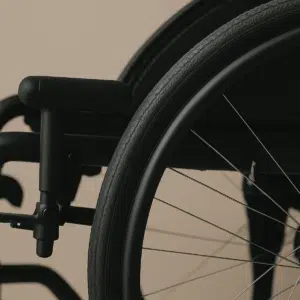
Medicare covers manual and power wheelchairs when specific conditions are met. You’ll need a face-to-face exam with your doctor, plus a written order documenting that your condition makes it difficult to get around your home safely, even with a cane or walker. Medicare also wants to confirm you’re able to operate the wheelchair yourself, or that someone is available to help you use it. Coverage typically works the same way it does for hospital beds: Medicare pays 80% of the approved cost once your paperwork is approved, and you cover the remaining 20%.
Power wheelchairs require more detailed documentation than manual chairs, since Medicare wants proof that a manual chair genuinely wouldn’t meet your needs. Once your paperwork clears, we can usually get you into the right chair the same week.
Oxygen equipment falls under DME too, and Medicare Part B helps cover concentrators, tanks, and related supplies when your doctor documents that your blood oxygen levels are low enough to require supplemental oxygen at home. Conditions like COPD, chronic lung disease, or severe sleep apnea are common reasons doctors prescribe home oxygen therapy. Medicare typically covers oxygen equipment as a rental for up to 36 months, paying 80% of the approved cost after your deductible. Once that period ends, your supplier is still required to provide the equipment and supplies for an additional 24 months at no extra cost to you, as long as you continue to need it.
Lift chairs work a little differently than the other equipment on this list. Medicare Part B may cover 80% of the cost of the motorized lifting mechanism inside the chair, but not the chair itself, meaning you’ll pay out of pocket for the frame, upholstery, and features like heat or massage. To qualify, your doctor has to certify that a condition, such as severe arthritis or a neuromuscular disease, makes it hard for you to stand up from a regular chair without help, and that you’re able to walk safely once you’re upright. Your doctor will also need to provide a written order confirming these details, often documented on Medicare’s Certificate of Medical Necessity form for seat lift mechanisms (CMS-849). Because coverage is limited to the lifting mechanism, it helps to talk through the full cost with our team before you buy so there aren’t any surprises when the bill arrives.

"*" indicates required fields